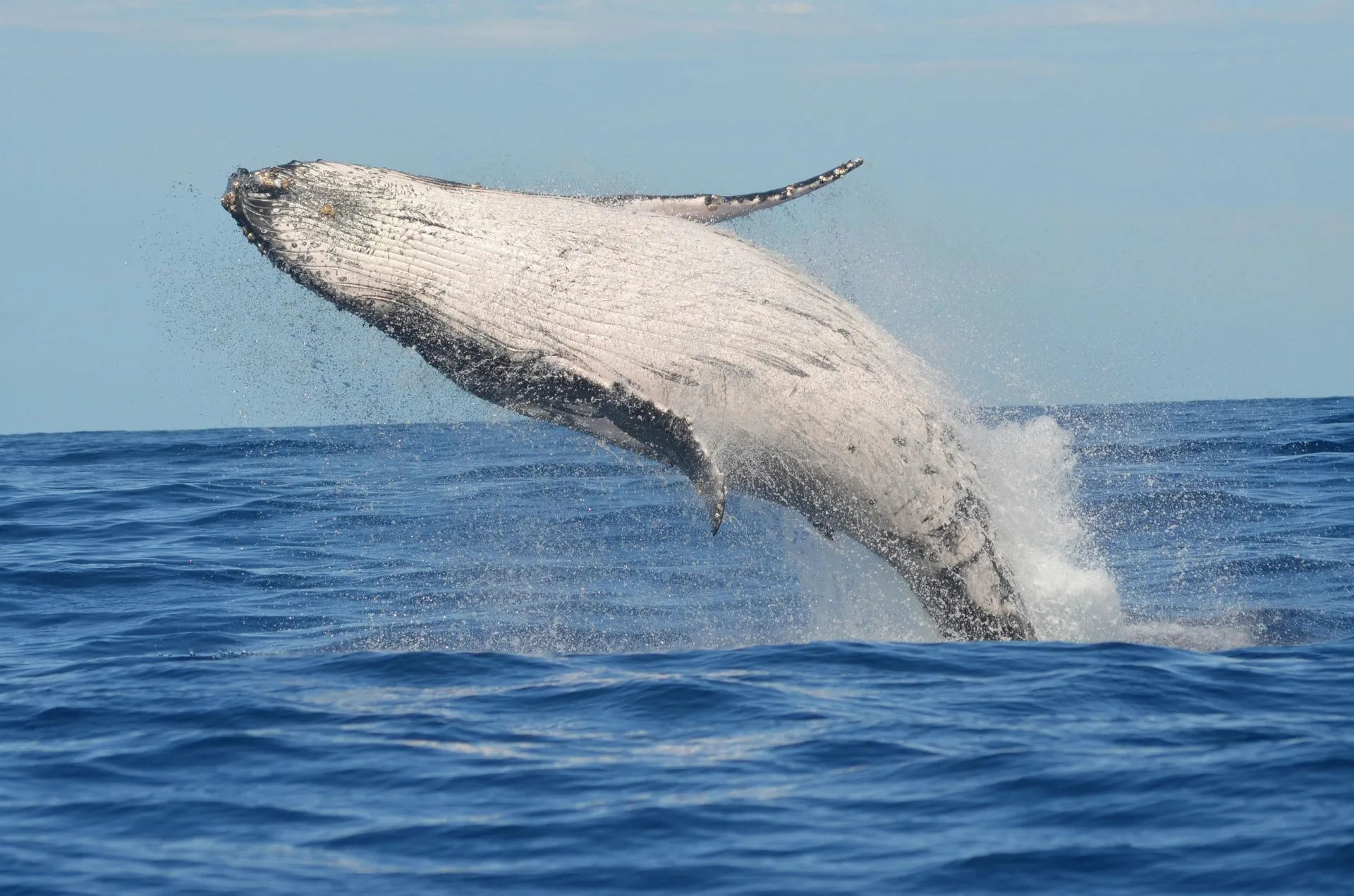
Few experiences match the thrill of watching a humpback whale breach the surface of the Pacific Ocean, its massive body rising ten meters into the air before crashing back with a thunderous splash. Puerto Escondido offers front-row seats to this spectacular show each winter when thousands of whales migrate to the warm waters of the Oaxacan coast to mate, give birth, and nurse their calves.
This guide covers everything you need to know about whale watching season in Puerto Escondido—from the best months to visit and prime viewing locations to what marine life you might encounter and how to prepare for an unforgettable wildlife adventure.
Understanding Whale Migration to Puerto Escondido
Every year, humpback whales undertake one of nature's most impressive journeys—a migration spanning approximately 20,000 kilometers from their polar feeding grounds in Alaska and British Columbia to the warm breeding waters of Mexico's Pacific coast. Puerto Escondido sits along this ancient migratory route, making it one of Mexico's designated whale observation zones.
The whales arrive seeking warmer temperatures essential for newborn calves, who lack the blubber needed to survive frigid northern waters. Female humpbacks give birth in these protected coastal areas, and the calm bays provide ideal conditions for nursing and teaching young whales the behaviors they'll need to survive.
Why Whales Choose the Oaxacan Coast
Several factors make Puerto Escondido and the surrounding coastline attractive to migrating whales. Water temperatures remain warm throughout winter, typically between 25-28°C, providing comfortable conditions for calves. The relatively shallow continental shelf offers protection from deep-sea predators, while abundant food sources support the diverse marine ecosystem.
Beyond humpbacks, these waters occasionally host gray whales, blue whales, and even orcas, though sightings of these species remain less common. The presence of large dolphin pods—sometimes numbering in the thousands—indicates the healthy ecosystem that draws these magnificent creatures year after year.
When to See Whales in Puerto Escondido
Timing your visit correctly dramatically increases your chances of witnessing whale activity. While the season spans several months, certain periods offer significantly better viewing opportunities than others.
| Month | Activity Level | What You Might See | Conditions |
|---|---|---|---|
| November | Early arrivals | First migrants, mostly adults | Calm seas, fewer boats |
| December | Increasing activity | Growing numbers, early mating | Excellent visibility |
| January | Peak season begins | Breaching, tail slapping, competitive groups | Optimal conditions |
| February | Peak activity | Maximum numbers, mothers with newborns | Best viewing month |
| March | Still excellent | Nursing calves, playful juveniles | Good conditions |
| April | Season ending | Final sightings, northward migration | Variable weather |
Peak Season: January and February
For the highest probability of memorable whale encounters, plan your visit during January or February. These months represent the height of breeding activity, when male humpbacks engage in spectacular competitive displays to win female attention. Groups of up to ten males may chase a single female, creating dramatic scenes of breaching, spy-hopping, and powerful tail slaps.
February offers particularly touching moments as mothers appear with newborn calves. These tender scenes of maternal care—with mothers gently guiding their young through the water—rank among the most moving wildlife experiences available anywhere in Mexico.
Best Time of Day for Whale Watching
Early morning excursions, typically departing between 7:00 and 9:00 AM, provide optimal conditions for whale watching. The ocean tends to be calmer before afternoon winds pick up, improving both visibility and comfort aboard boats. Morning light also creates better photography conditions, with the sun positioned behind observers rather than creating harsh glare off the water.
Weather Tip: Clear, calm days without approaching storms yield the best sightings. Monitor weather forecasts and choose days with minimal wind and wave activity.
Where to See Whales Around Puerto Escondido
Puerto Escondido's geography offers multiple vantage points for whale observation, from boat-based tours venturing into open water to strategic shoreline locations where patient observers might spot distant spouts and breaches.
Primary Departure Points for Boat Tours
Most whale watching excursions depart from two main locations:
- Playa Principal: The primary departure point offers convenient access, parking, and the largest concentration of tour operators. The central location makes it easy to combine with other Puerto Escondido activities.
- Puerto Angelito: This quieter, more sheltered bay provides an alternative departure point with calmer boarding conditions, particularly appealing for those prone to seasickness.
Tours typically head several kilometers offshore to reach areas where whales congregate. Professional captains and spotters work together—and often communicate with other boats—to locate whale activity, maximizing passengers' chances of meaningful encounters.
Shore-Based Whale Watching Spots
While boat tours offer the most immersive experience, patient observers can sometimes spot whales from elevated shoreline positions. Restaurants and viewpoints above Playa Carrizalillo provide excellent vantage points, and locals often excitedly point out distant spouts during peak season. Bring binoculars for shore-based watching, as whales typically surface several kilometers offshore.
The cliffs near Playa Bacocho also offer promising observation opportunities, particularly during early morning hours when whale activity peaks and ocean conditions remain calm.
Book Your Whale Adventure
Join our expert guides for an unforgettable whale watching experience.
What Marine Life You'll Encounter
While humpback whales serve as the main attraction, Puerto Escondido's waters teem with diverse marine life that enhances any ocean excursion. Most tours guarantee dolphin and sea turtle sightings, adding excitement even on days when whales prove elusive.
Humpback Whale Behavior
Humpback whales are famous worldwide for their spectacular acrobatic displays. These behaviors serve various purposes—from communication and mating rituals to parasite removal—and provide unforgettable viewing experiences:
- Breaching: Whales launch their massive bodies up to 10 meters out of the water before crashing back with tremendous splashes. This dramatic behavior often occurs repeatedly, giving observers multiple opportunities for photographs.
- Tail slapping: Whales raise their flukes high above the surface before slapping them forcefully against the water, creating sounds audible for great distances.
- Spy-hopping: Whales rise vertically, lifting their heads above water to observe their surroundings—including curious boat passengers.
- Singing: Male humpbacks produce complex songs lasting up to 20 minutes, considered among the most sophisticated forms of animal communication.
Dolphins and Other Marine Life
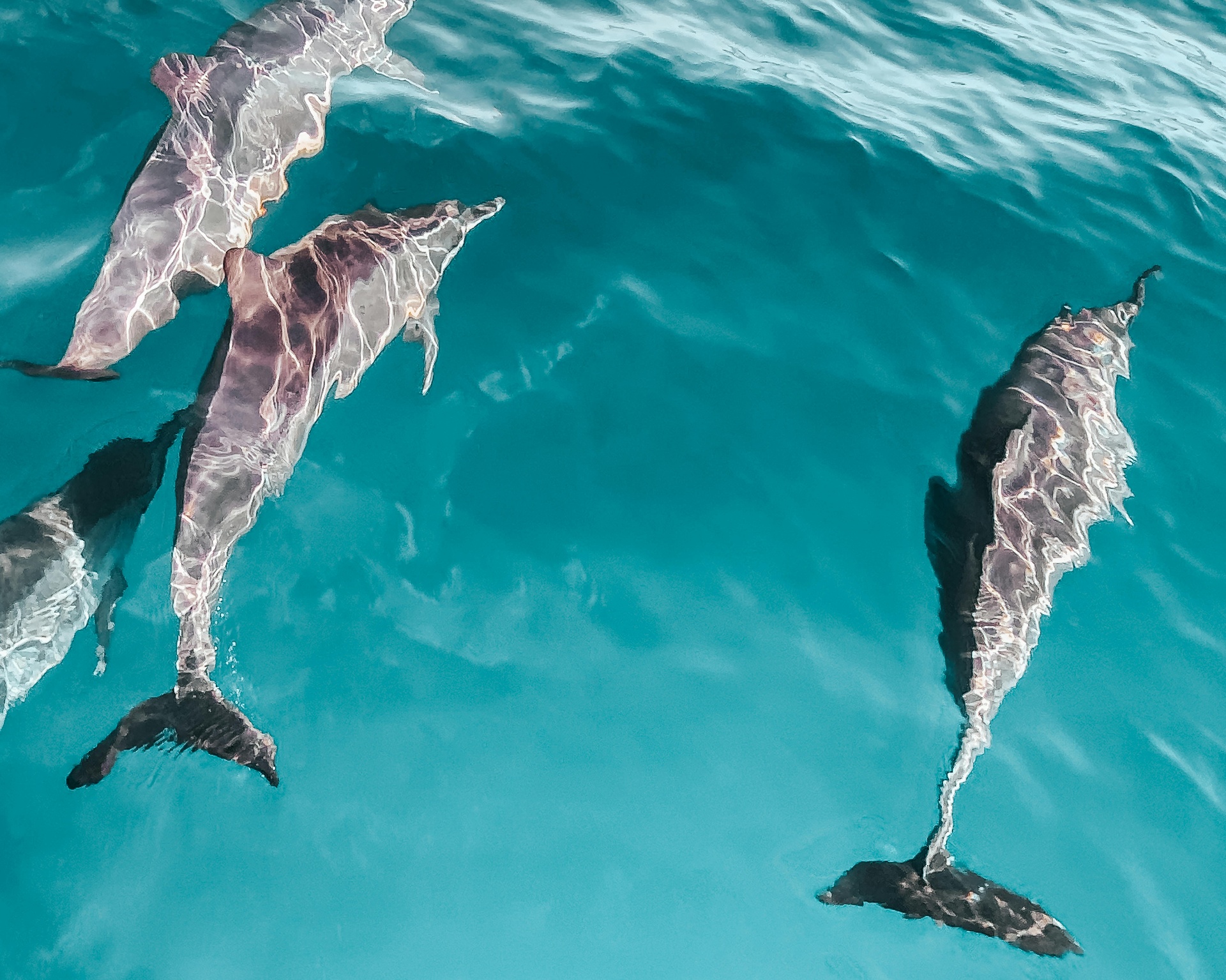
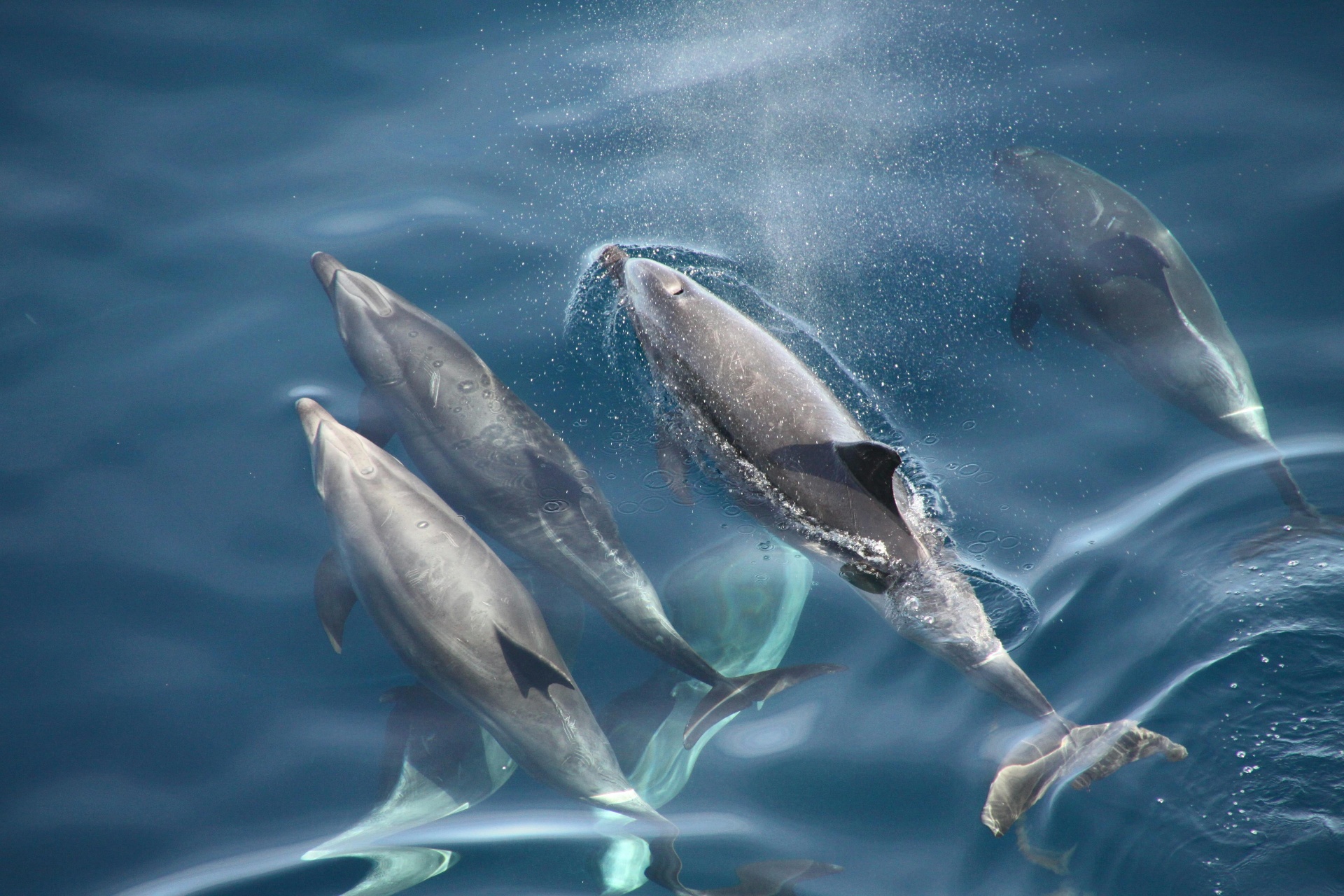
Puerto Escondido's waters host impressive dolphin populations year-round, with spinner and bottlenose dolphins being the most commonly encountered species. Pods sometimes number in the thousands, creating magical moments as dolphins swim alongside boats, leap from the water, and perform their signature spinning jumps.
Additional marine life you might encounter includes:
- Sea turtles: Multiple species, including olive ridley and hawksbill turtles, surface regularly throughout the year.
- Manta rays: These graceful creatures glide beneath the surface, particularly visible during December through March.
- Flying fish: These remarkable fish burst from the water and glide for impressive distances.
- Seabirds: Pelicans, frigatebirds, and other species follow marine activity, indicating areas where dolphins and whales might be feeding.
Preparing for Your Whale Watching Experience
Proper preparation ensures you'll enjoy your whale watching adventure comfortably while maximizing your chances of memorable sightings.
What to Bring
| Category | Essential Items | Why You Need Them |
|---|---|---|
| Sun Protection | Waterproof sunscreen, wide-brimmed hat, UV sunglasses | Ocean reflection intensifies sun exposure |
| Photography | Camera with zoom lens, waterproof case, binoculars | Whales surface at varying distances |
| Comfort | Light jacket, non-slip shoes, motion sickness medication | Morning ocean air can be cool |
| Practical | Water bottle, light snacks, dry bag | Tours last 2-4 hours |
Tips for the Best Experience
Pro Tips
- Book during peak season: January and February offer the highest probability of whale sightings.
- Choose morning departures: Calmer seas and better lighting make early tours preferable.
- Take motion sickness precautions: Take medication before boarding, not after symptoms begin.
- Put down the camera occasionally: Some encounters are too precious to view only through a lens.
- Manage expectations: You're observing wild animals—sightings are never guaranteed.
"I'd been on whale watching tours in other countries, but nothing prepared me for seeing a humpback breach just fifty meters from our boat. The captain received a call from another boat that had spotted activity, and we raced over just in time to watch the whale surface three times. Everyone on the boat gasped in unison—it was absolutely magical."
Responsible Whale Watching Practices
Protecting these magnificent creatures ensures future generations can enjoy the same incredible experiences. Mexico's environmental agency, SEMARNAT, establishes guidelines that responsible operators follow to minimize impact on marine life.
Conservation Guidelines
Ethical whale watching follows several important principles:
- Maintain safe distances: Boats should remain at least 60 meters from whales to avoid interfering with natural behavior.
- Limit observation time: Responsible operators spend no more than 30 minutes with any single whale or group.
- Approach carefully: Boats should approach from the side or behind, never head-on.
- Minimize noise: Reducing engine noise helps avoid disrupting whale communication.
- Never pursue: If a whale moves away, ethical operators don't chase.
These guidelines exist because whale watching, done incorrectly, can stress animals during critical breeding and nursing periods. Supporting operators who prioritize animal welfare helps protect the species and the industry's long-term viability.
Puerto Escondido's Role in Conservation
Puerto Escondido holds designation as one of Oaxaca's official whale observation zones, reflecting the area's importance to migrating populations. The National Commission of Natural Protected Areas (CONANP) monitors marine mammal populations along the coast, working with local operators to balance tourism with conservation objectives.
Frequently Asked Questions
When is whale watching season in Puerto Escondido?
Whale watching season runs from November through April, with whales beginning to arrive in late November and early December. The peak season occurs in January and February when whale numbers and activity levels reach their maximum.
What types of whales can you see in Puerto Escondido?
Humpback whales are the most commonly sighted species. These magnificent animals can grow up to 16 meters long and are known for their spectacular breaching behavior. Gray whales also visit from January to March, and occasional sightings of blue whales and orcas occur, though these remain rare.
Can you see whales from shore in Puerto Escondido?
Yes, whales can sometimes be spotted from elevated shoreline positions during peak season. Viewpoints above Playa Carrizalillo and cliffs near Playa Bacocho offer the best shore-based observation opportunities. However, boat tours provide much closer and more reliable encounters.
What is the best time of day for whale watching?
Early morning tours, typically departing between 7:00 and 9:00 AM, offer the best conditions. The ocean tends to be calmer before afternoon winds develop, improving both visibility and comfort.
What other marine life might I see?
Puerto Escondido's waters host diverse marine life beyond whales. Dolphin sightings are virtually guaranteed, with pods sometimes numbering in the thousands. Sea turtles surface regularly, and manta rays glide through the water during December to March.
How long do whale watching tours typically last?
Most whale watching tours last between 2 and 4 hours. This allows sufficient time to travel to areas where whales congregate, observe marine life, and return to shore.
Plan Your Whale Watching Adventure
Puerto Escondido offers one of Mexico's most accessible and rewarding whale watching experiences. The combination of reliable humpback sightings during peak season, diverse marine life year-round, and the stunning Oaxacan coastal backdrop creates conditions for truly unforgettable wildlife encounters.
Whether you're watching a massive humpback breach against a backdrop of coastal mountains, cruising alongside a pod of spinning dolphins, or witnessing a mother whale gently guide her newborn calf through calm waters, these moments connect us to the natural world in profound ways.
Book Your Whale Watching Tour
Don't miss peak season! Reserve your spot for an unforgettable encounter with these magnificent creatures.